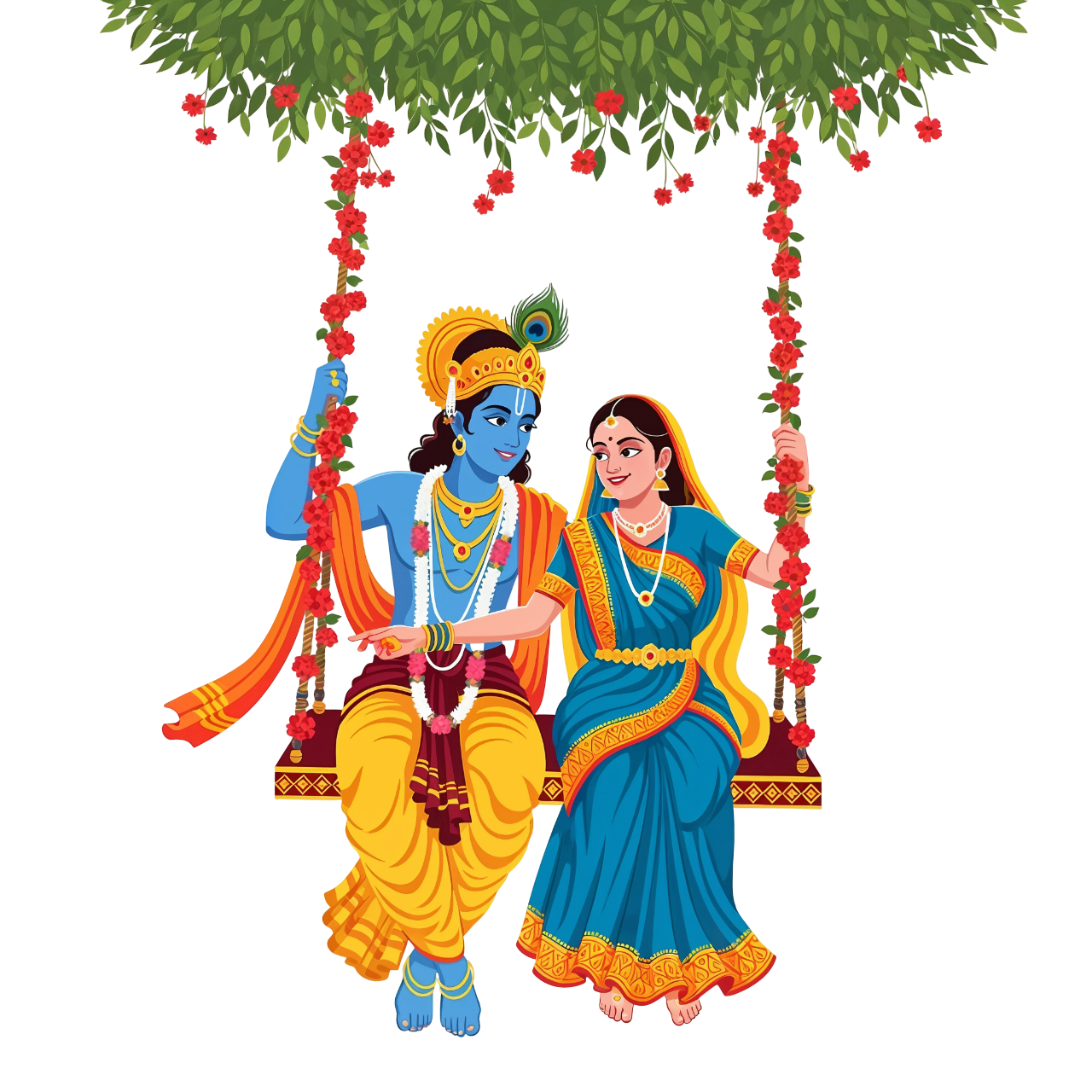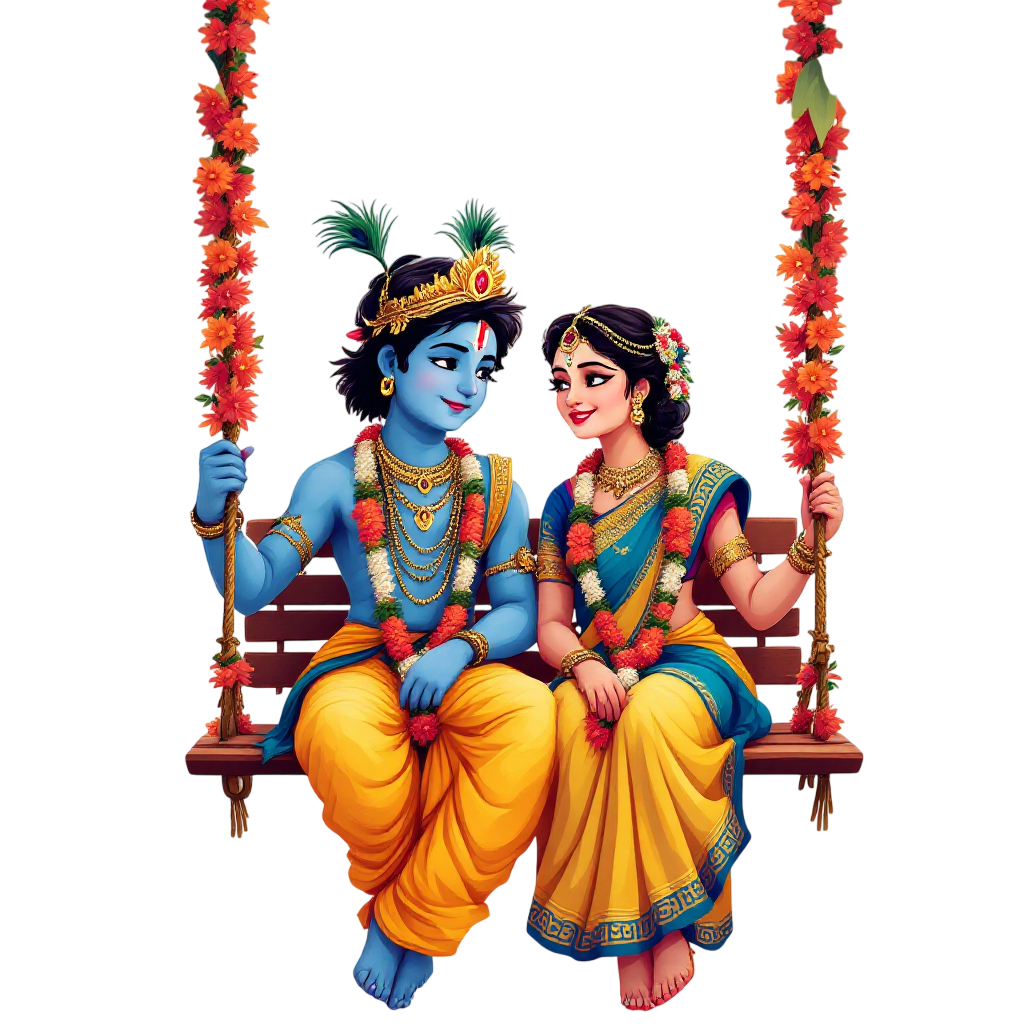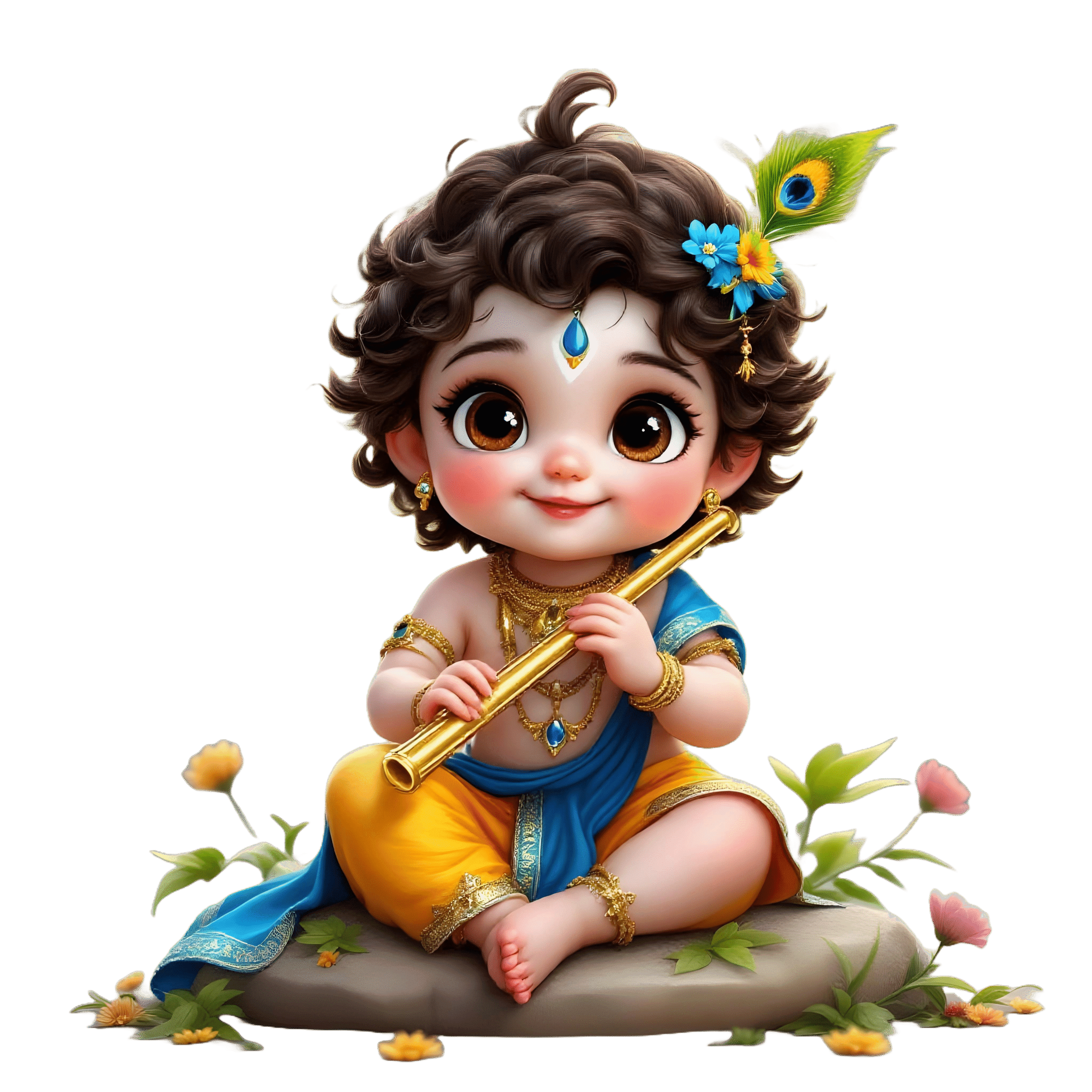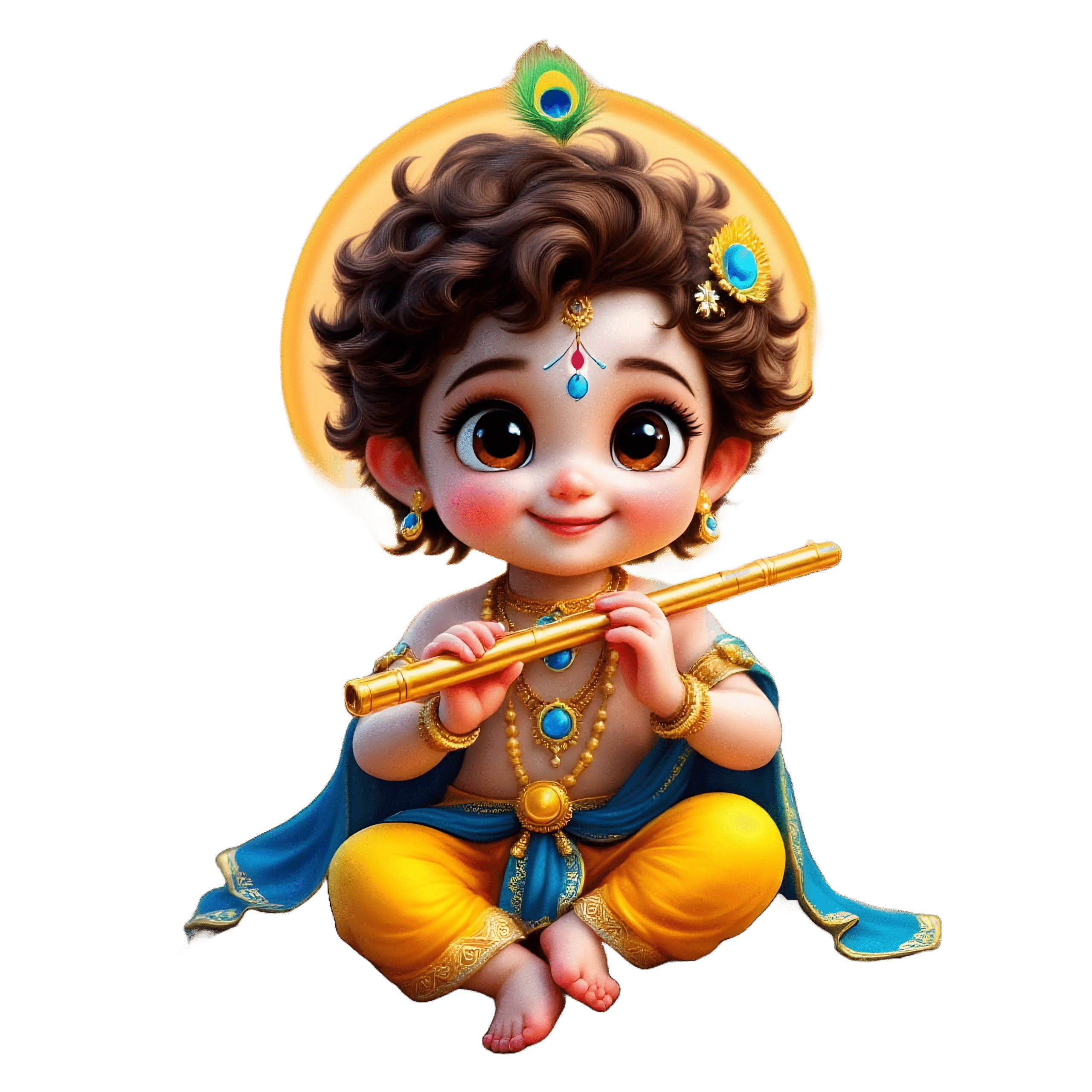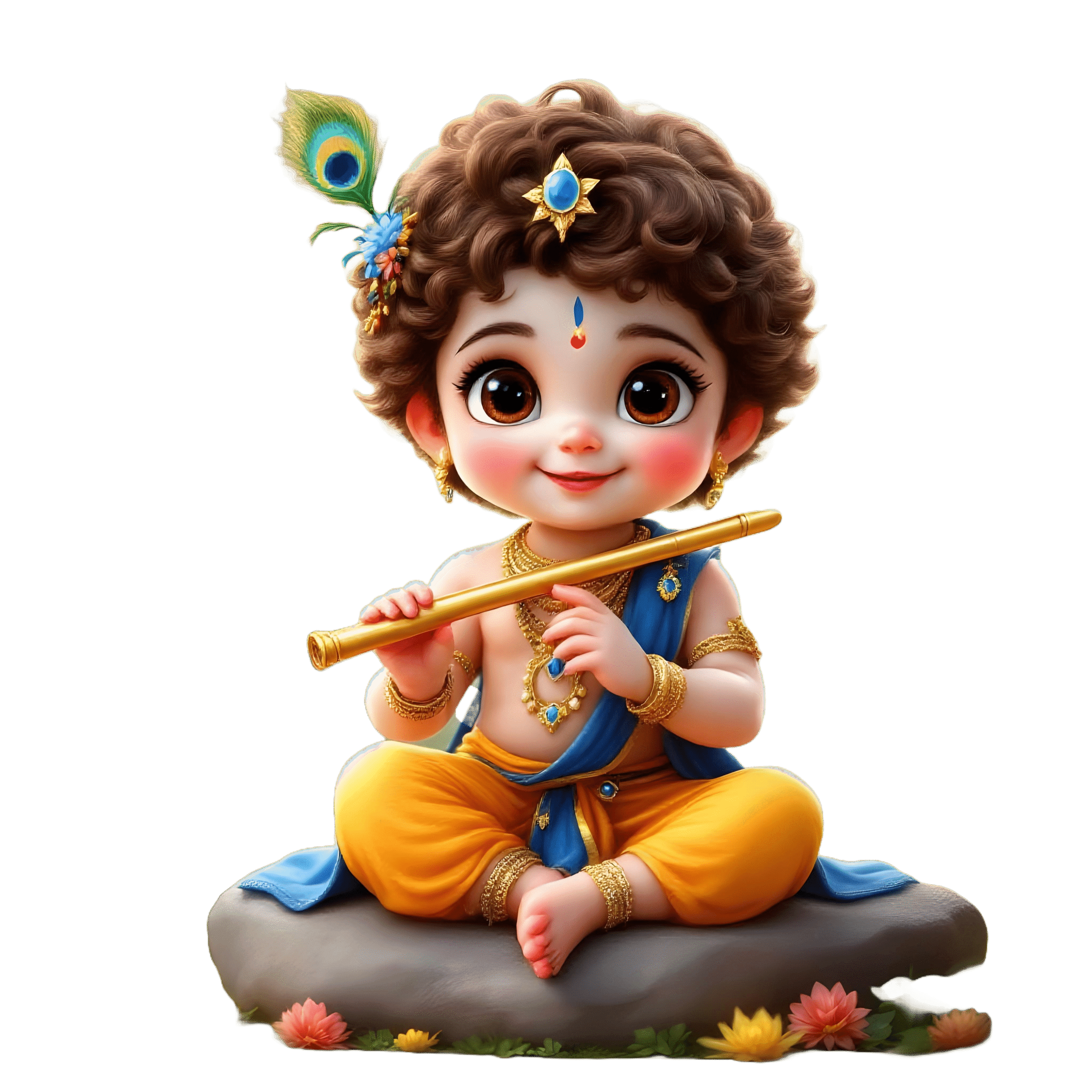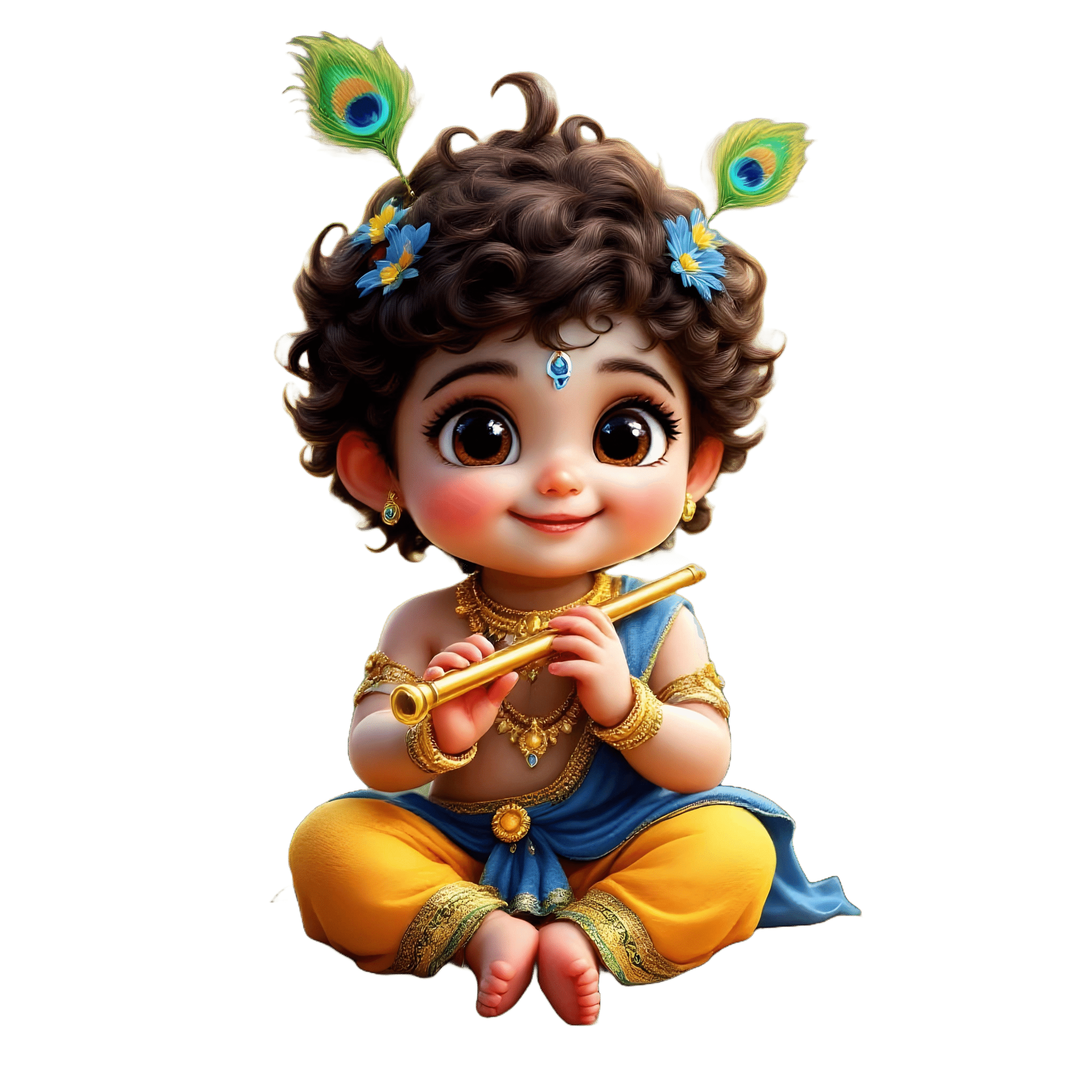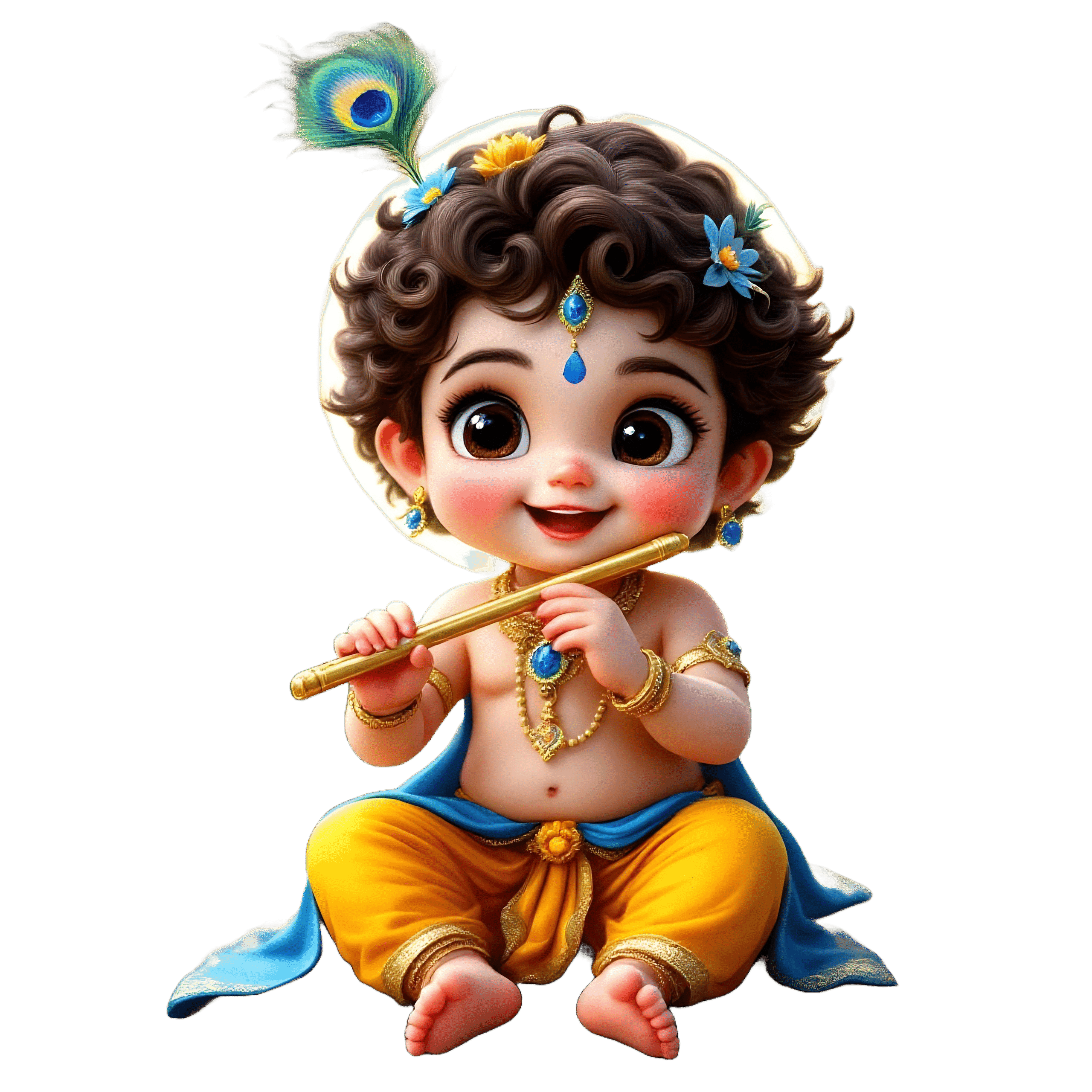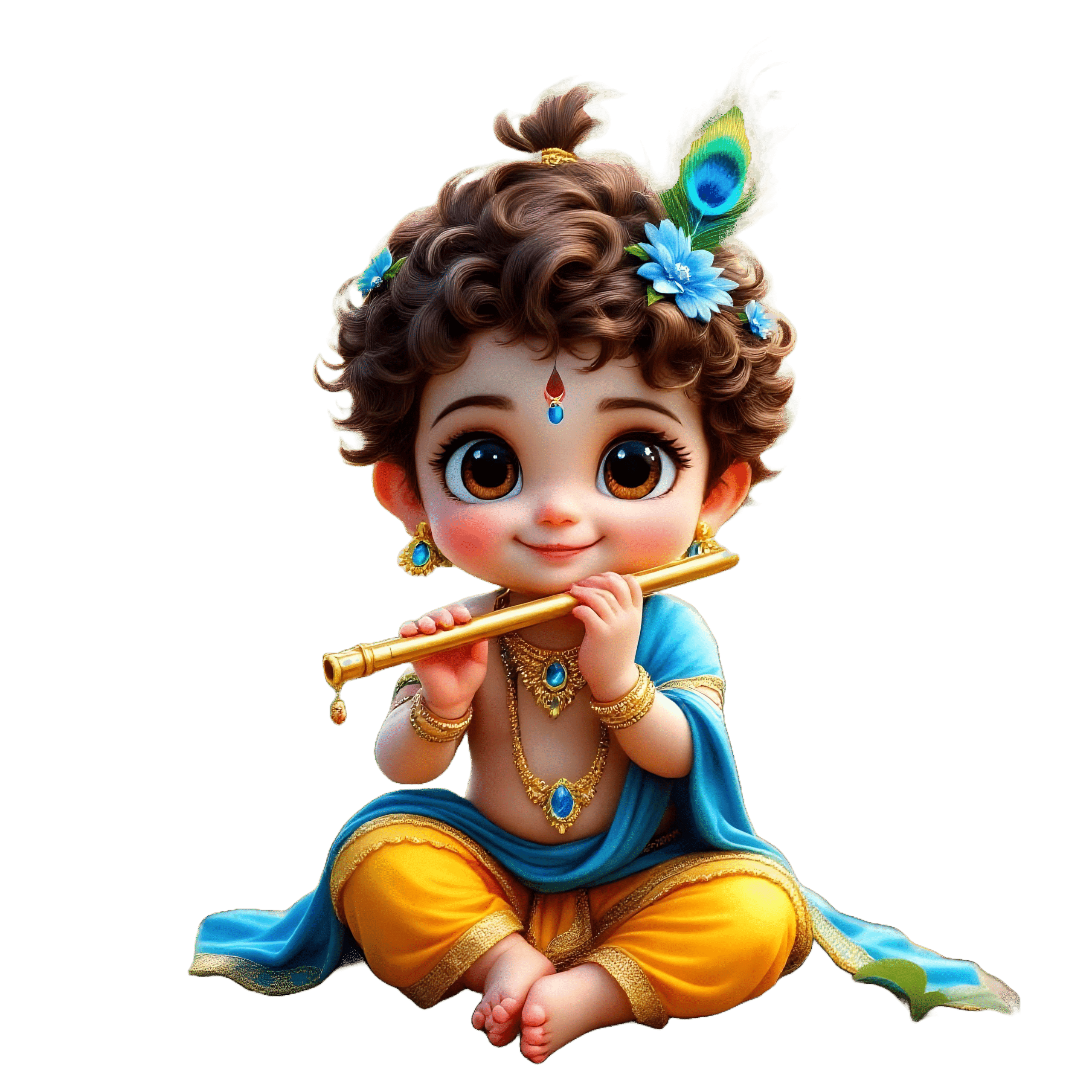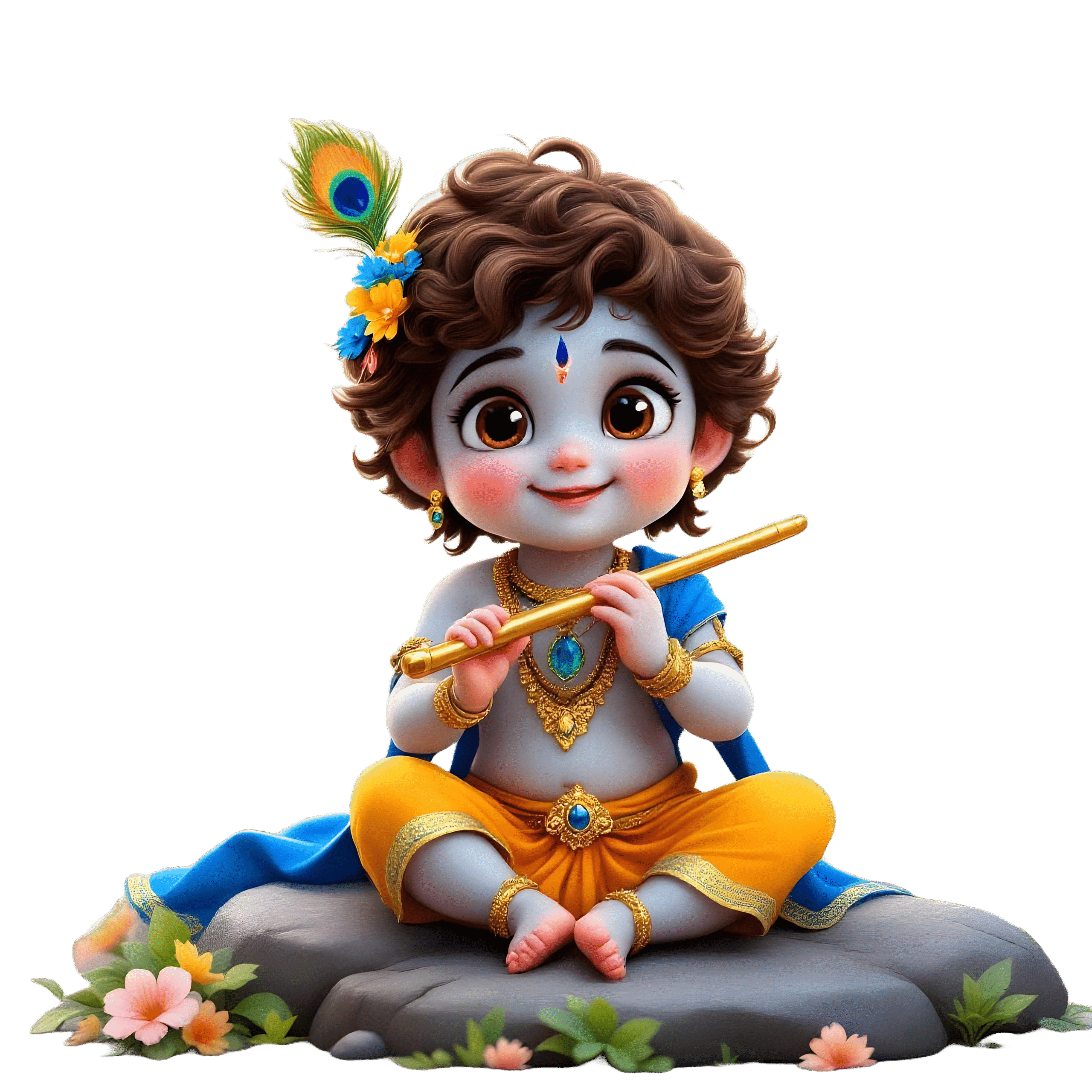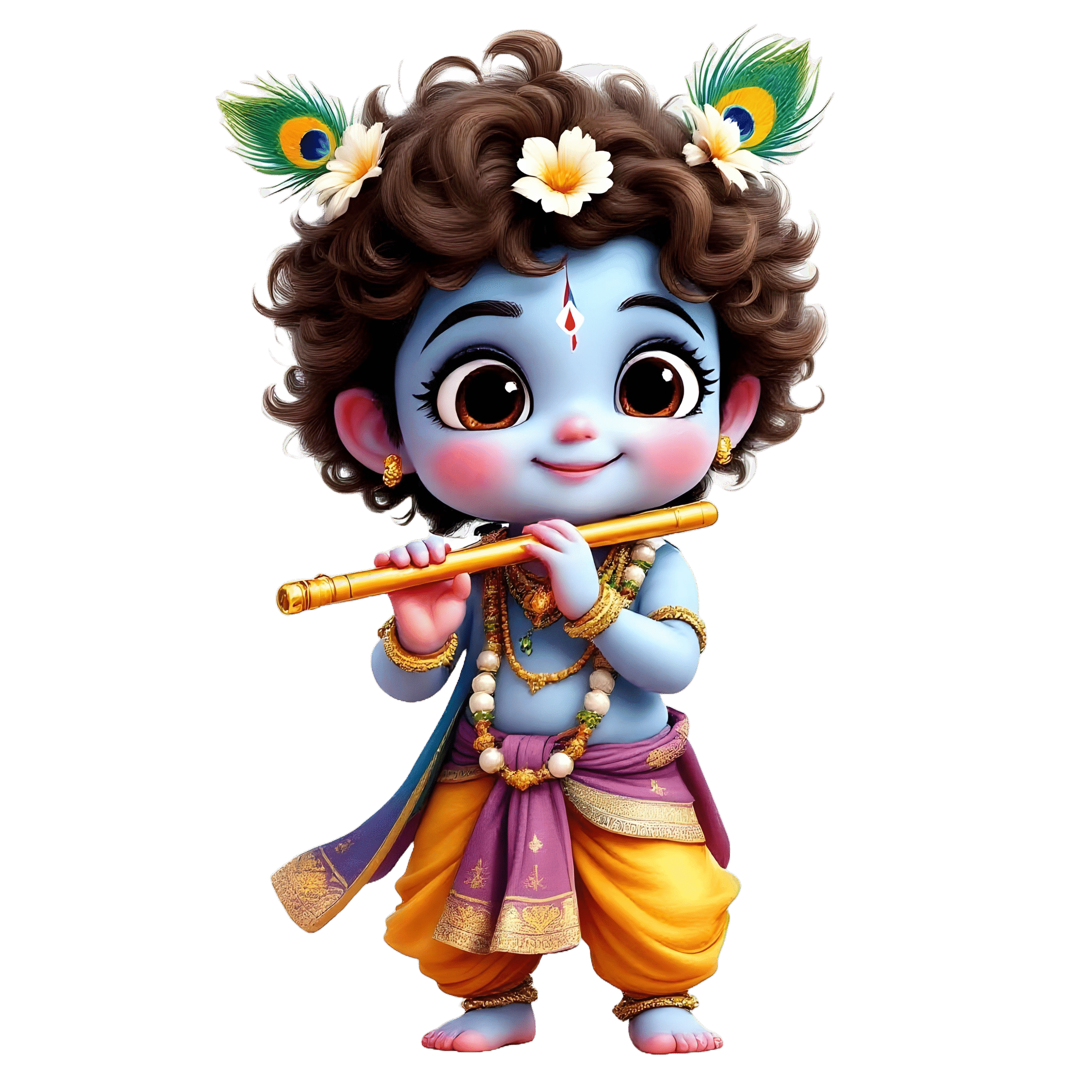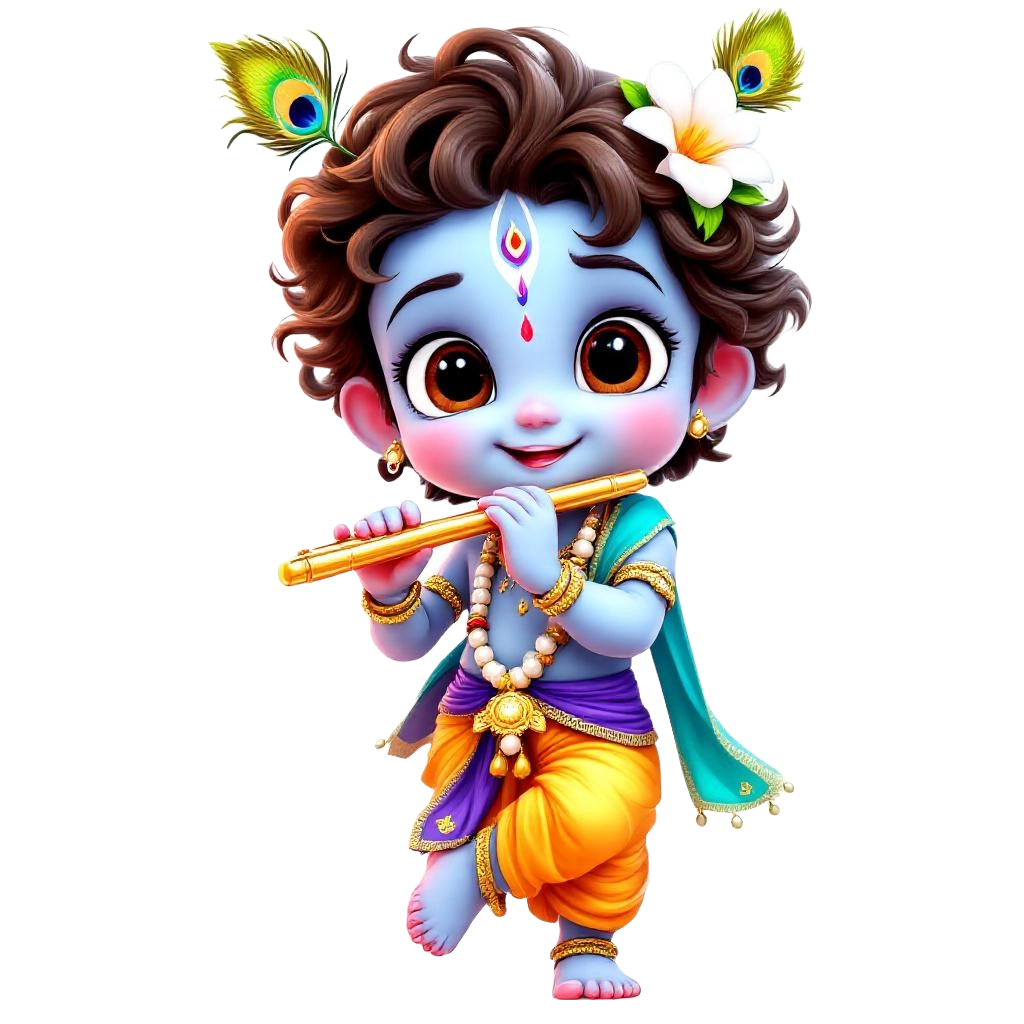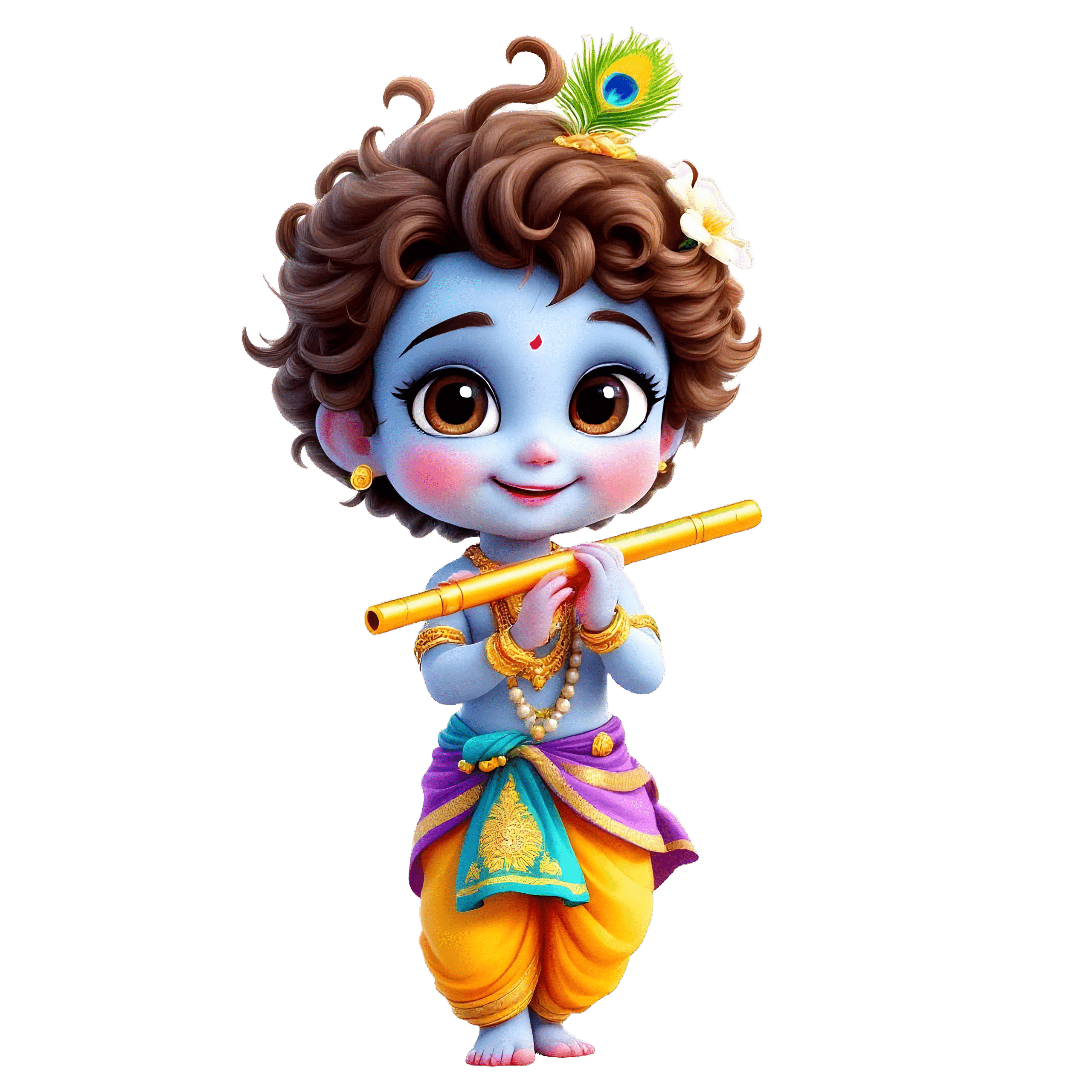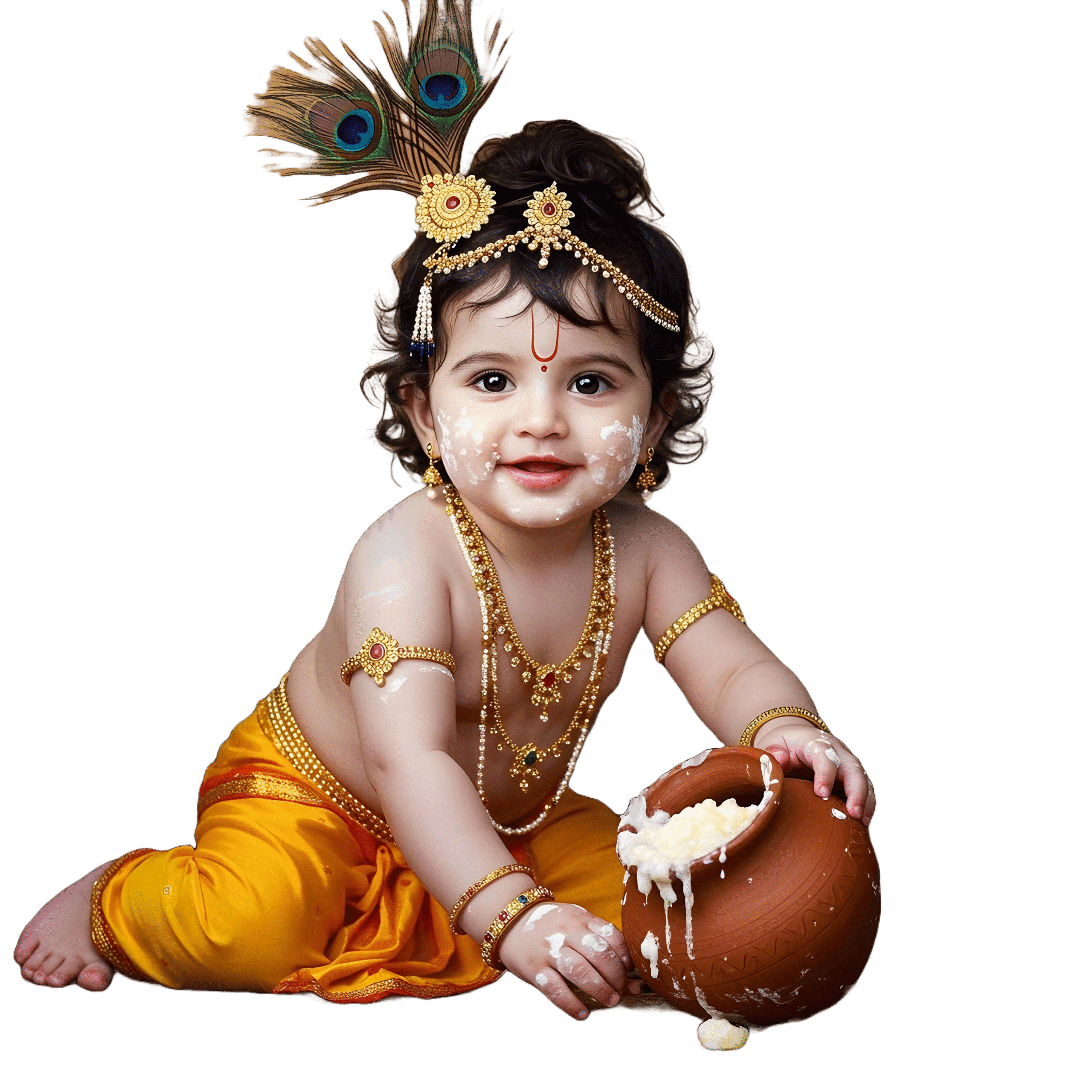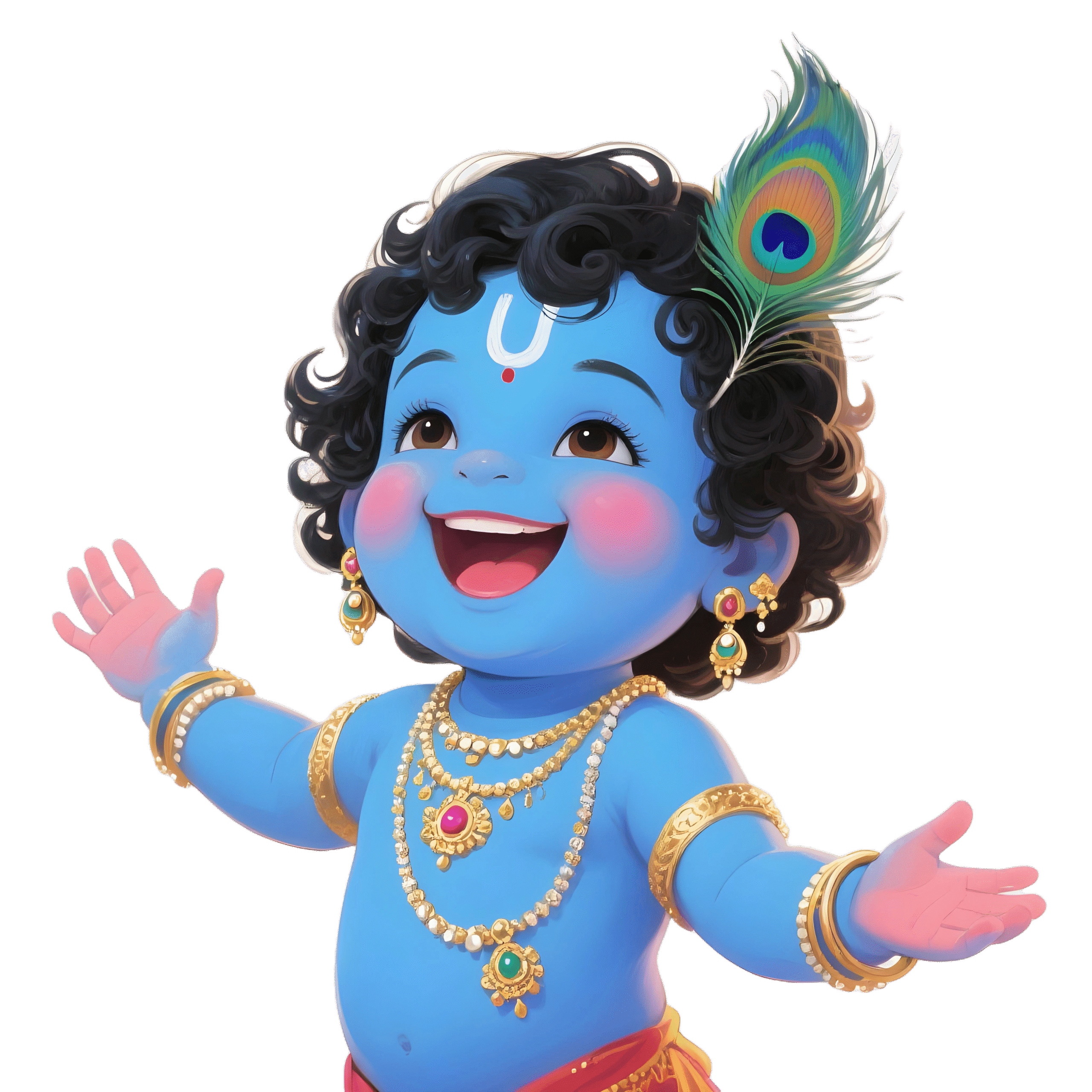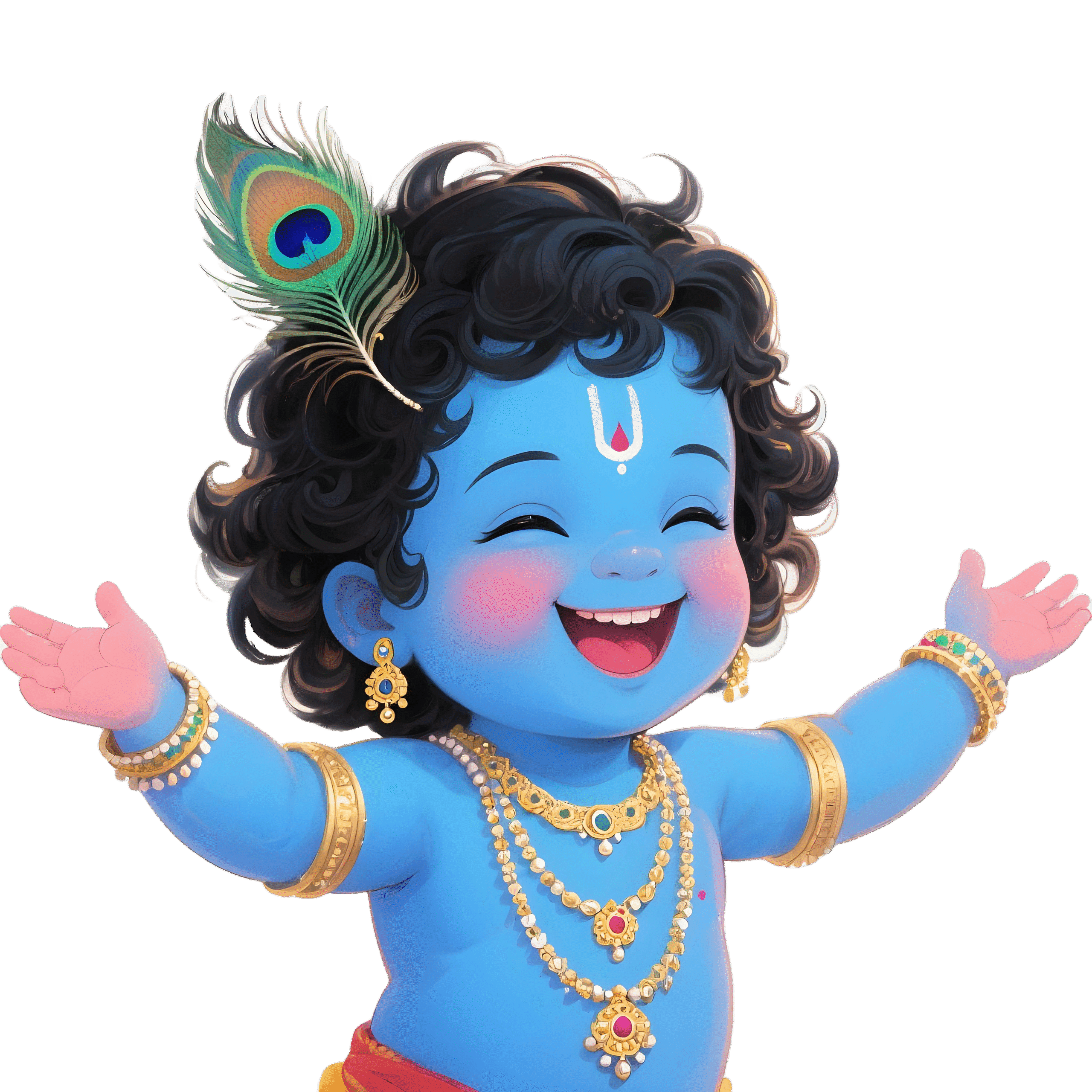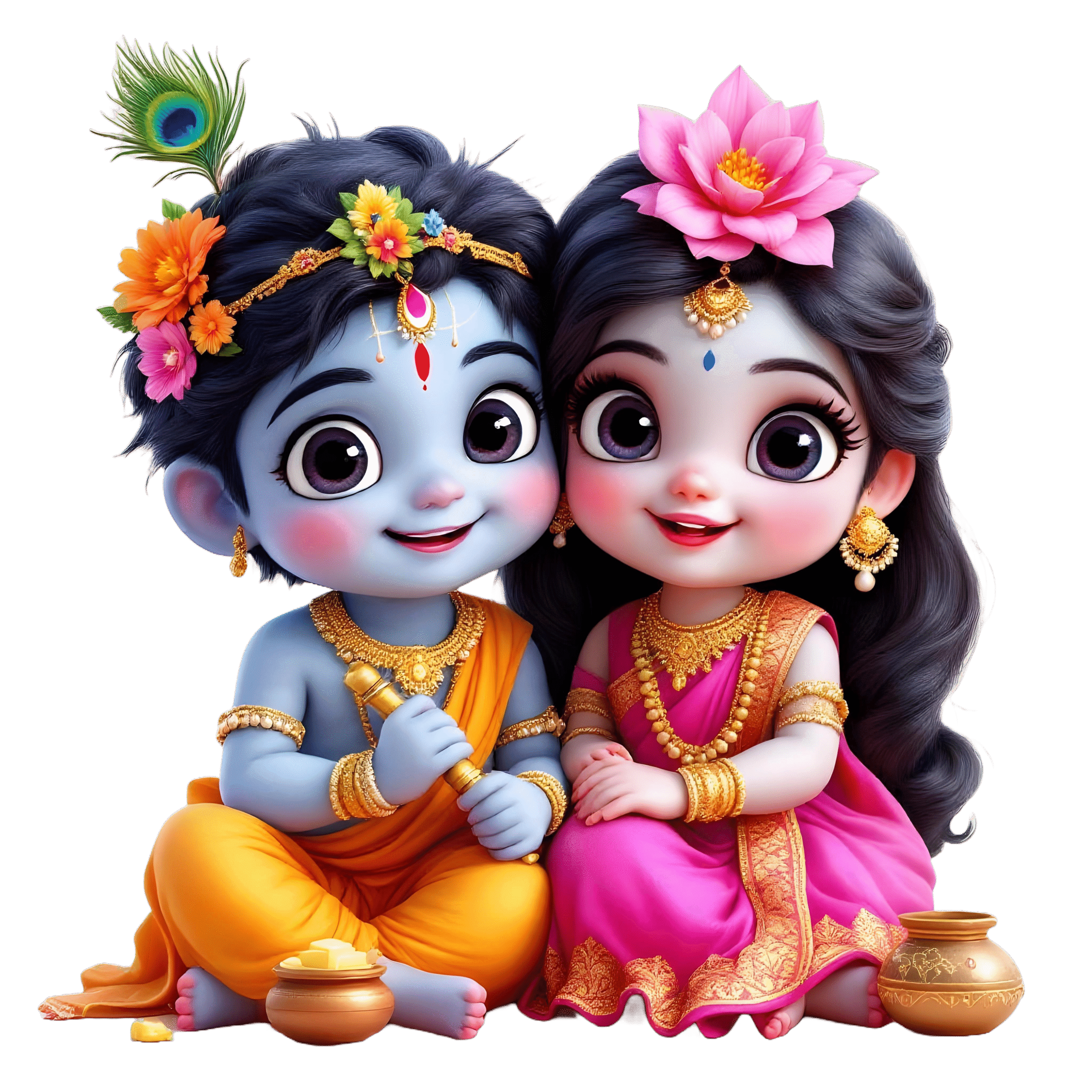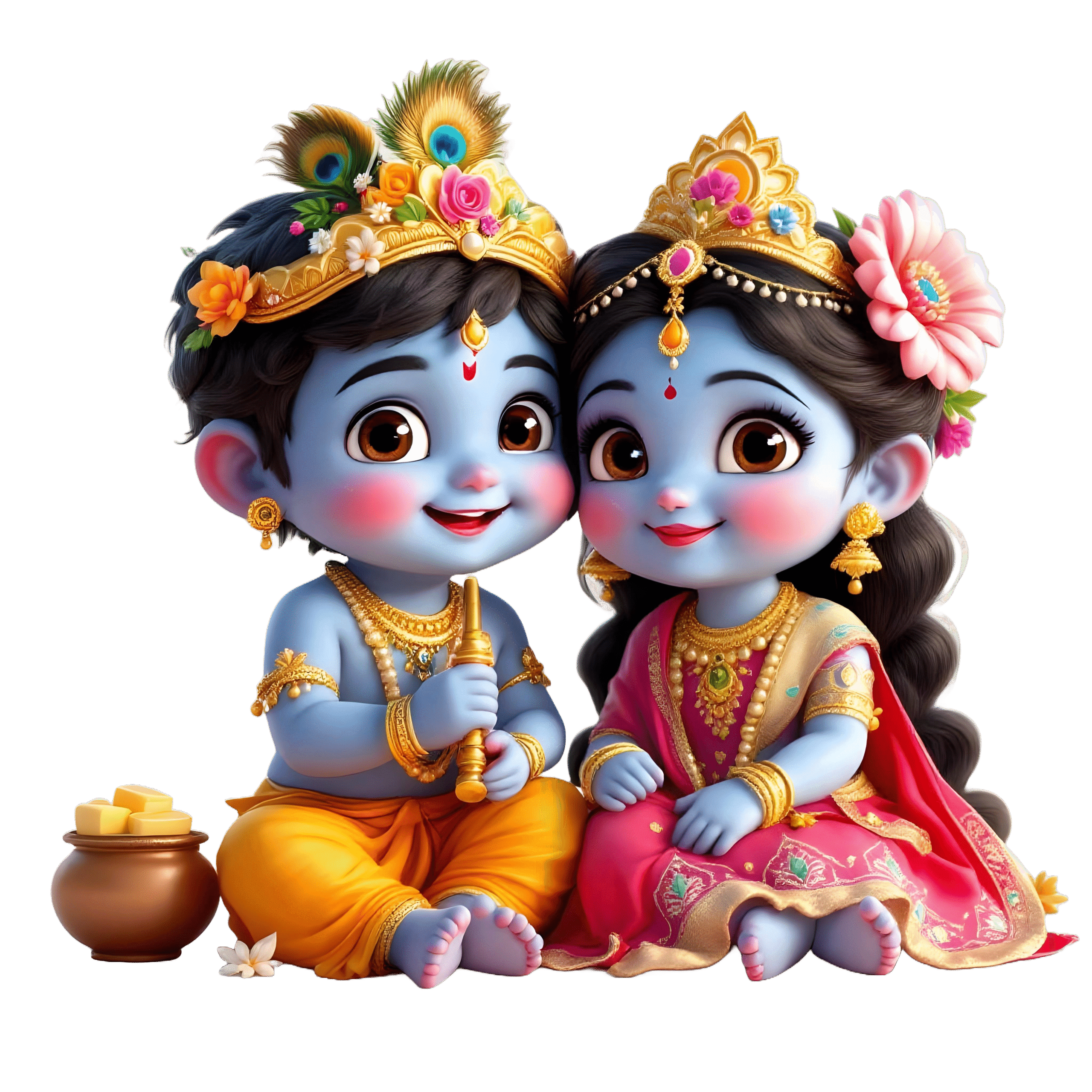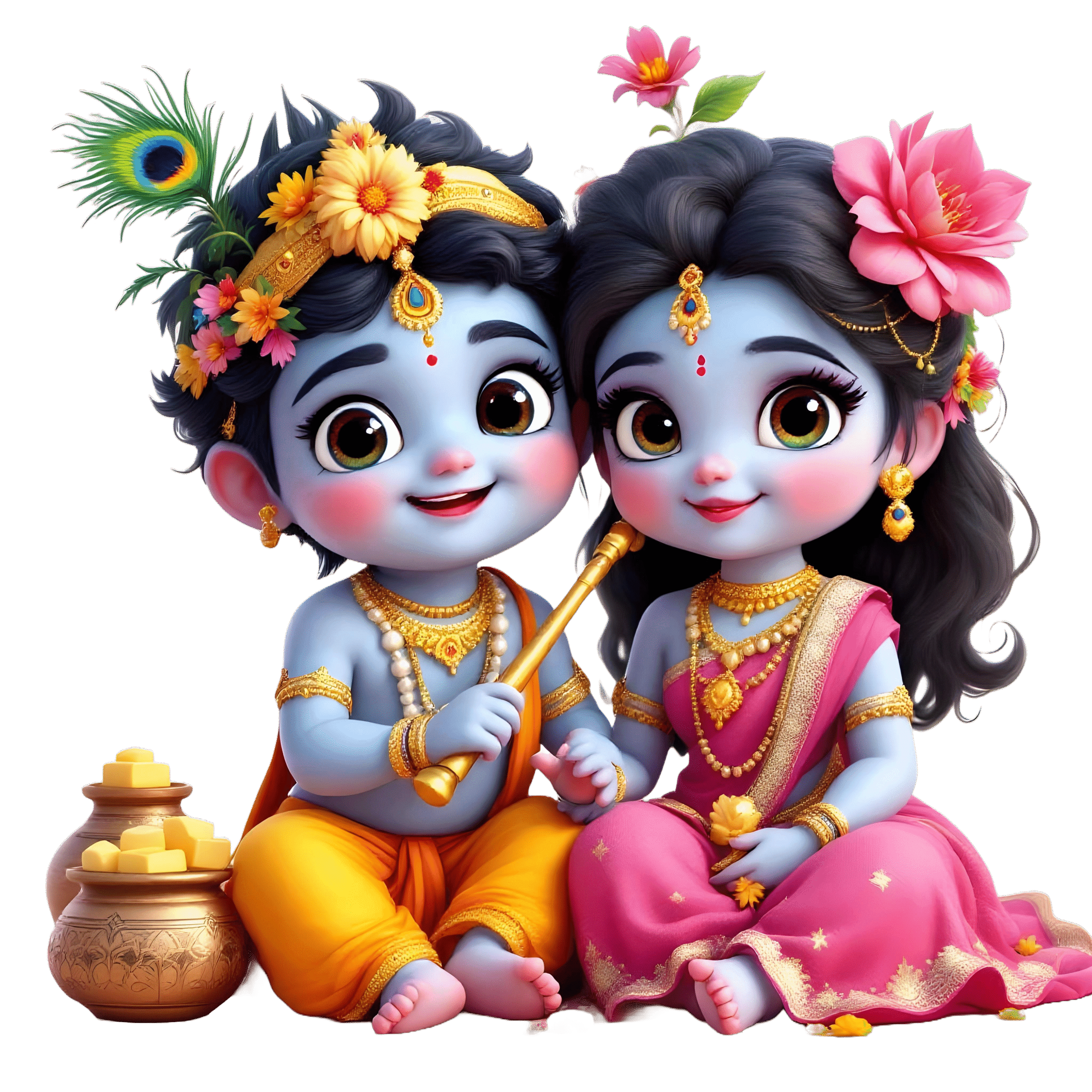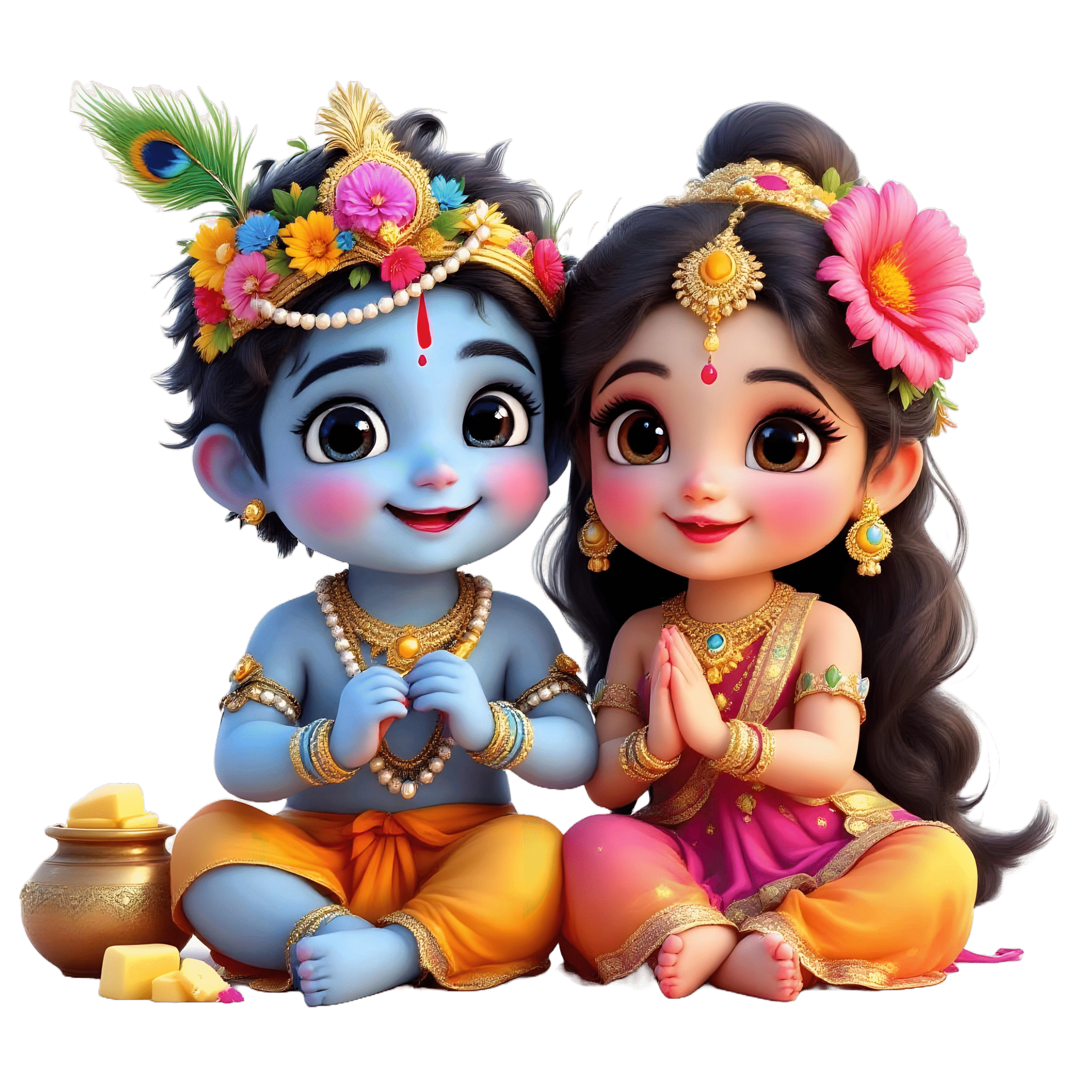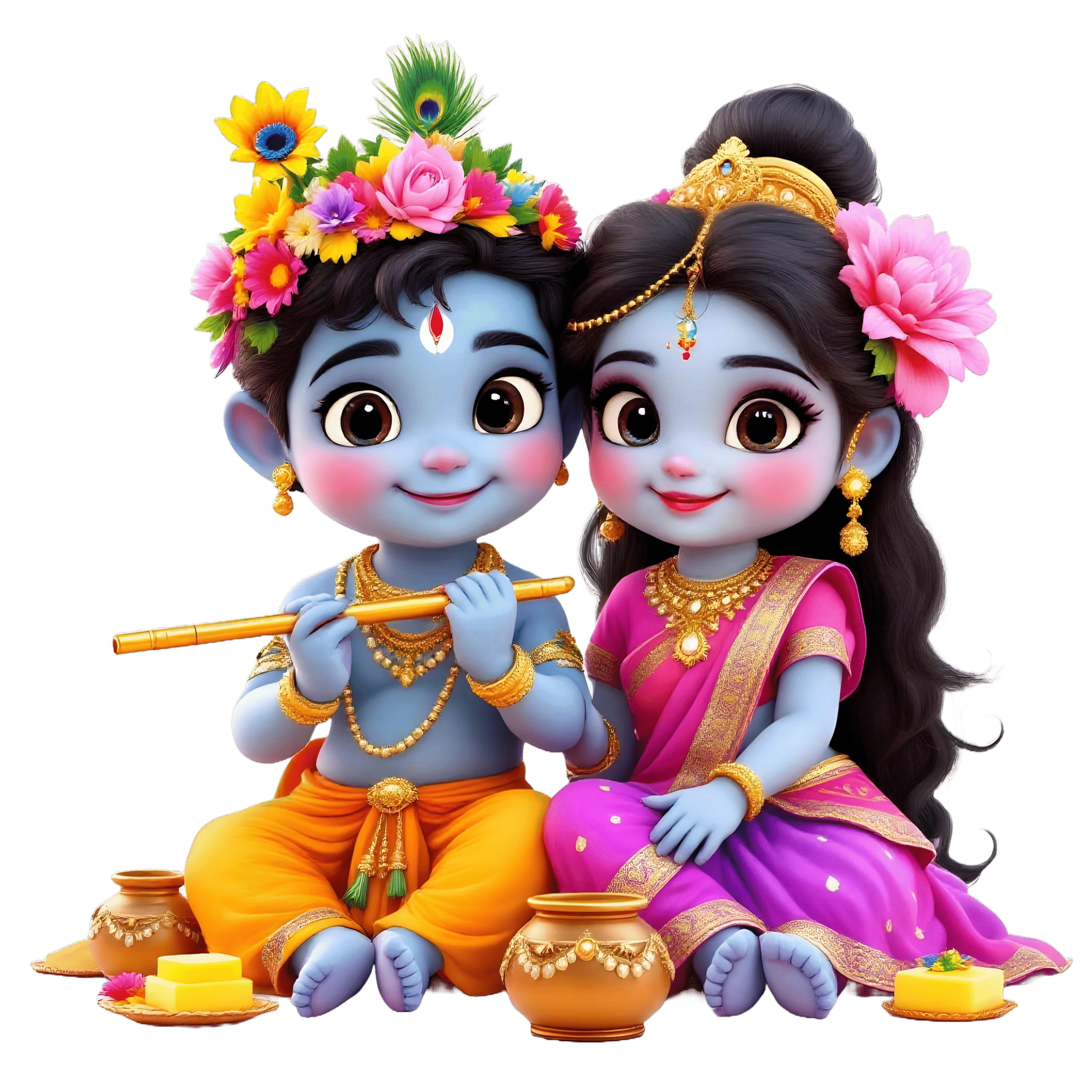
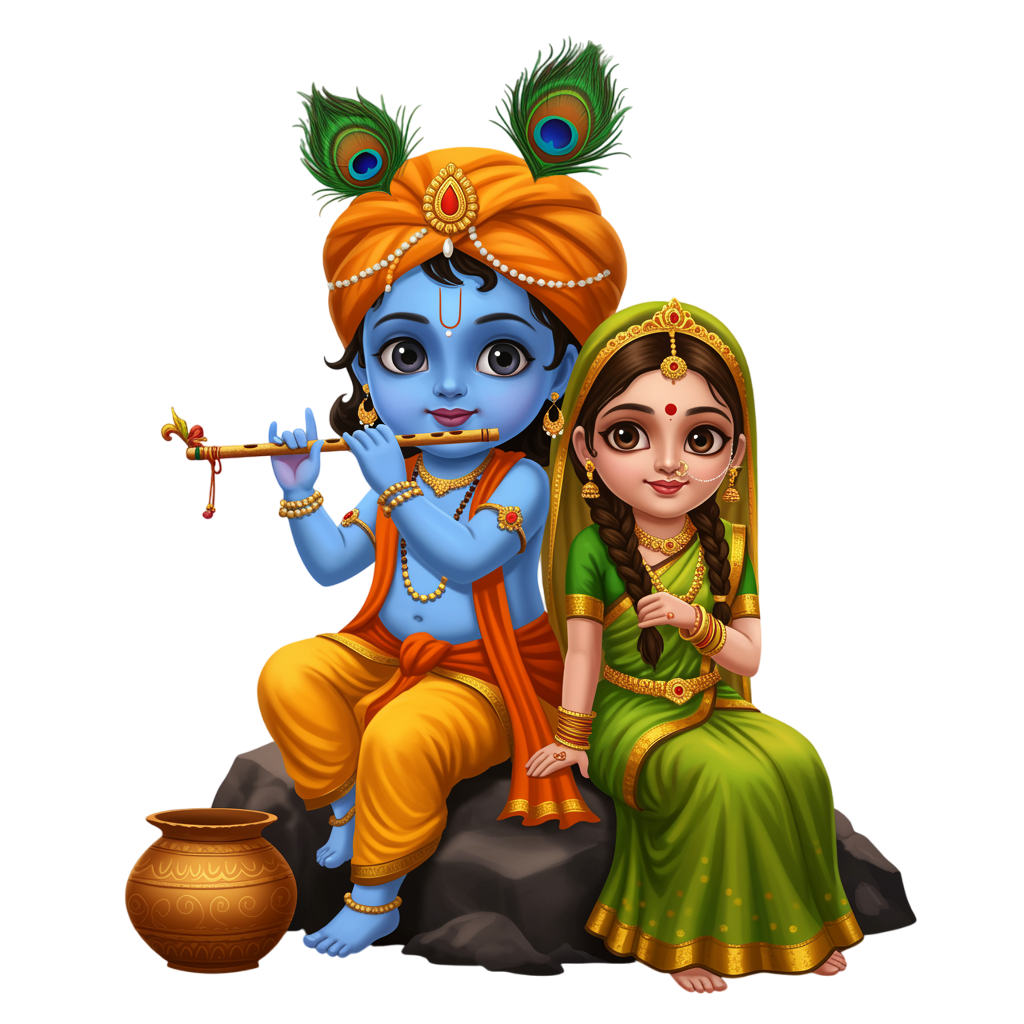
This image depicts a stylized illustration of Lord Krishna and Radha, two of the most revered figures in Hindu mythology. Their relationship symbolizes divine love, devotion, and spiritual connection, which is celebrated in numerous stories and teachings within the Hindu tradition.
The Symbolism of Lord Krishna and Radha
Lord Krishna: The Eternal Divine Lover
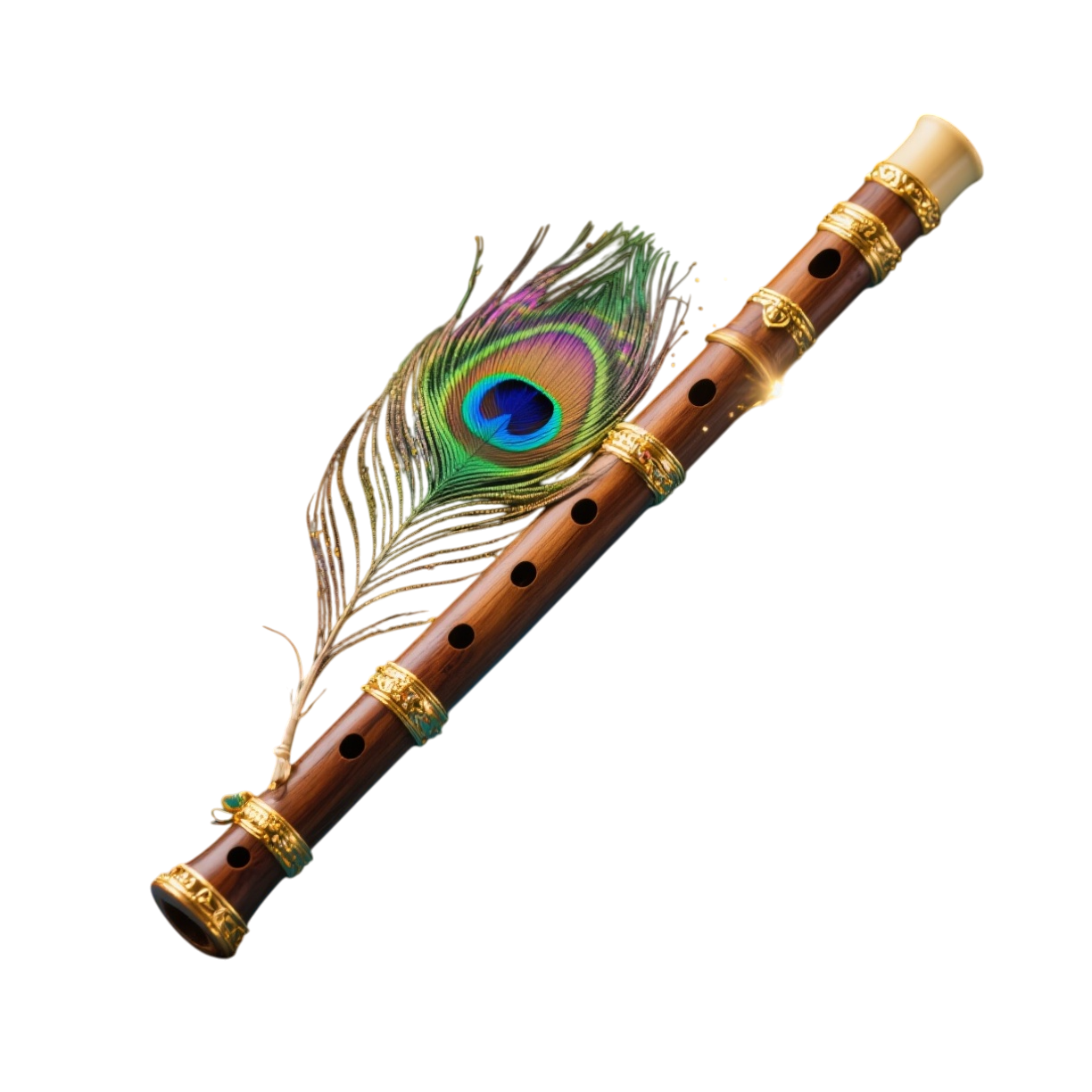
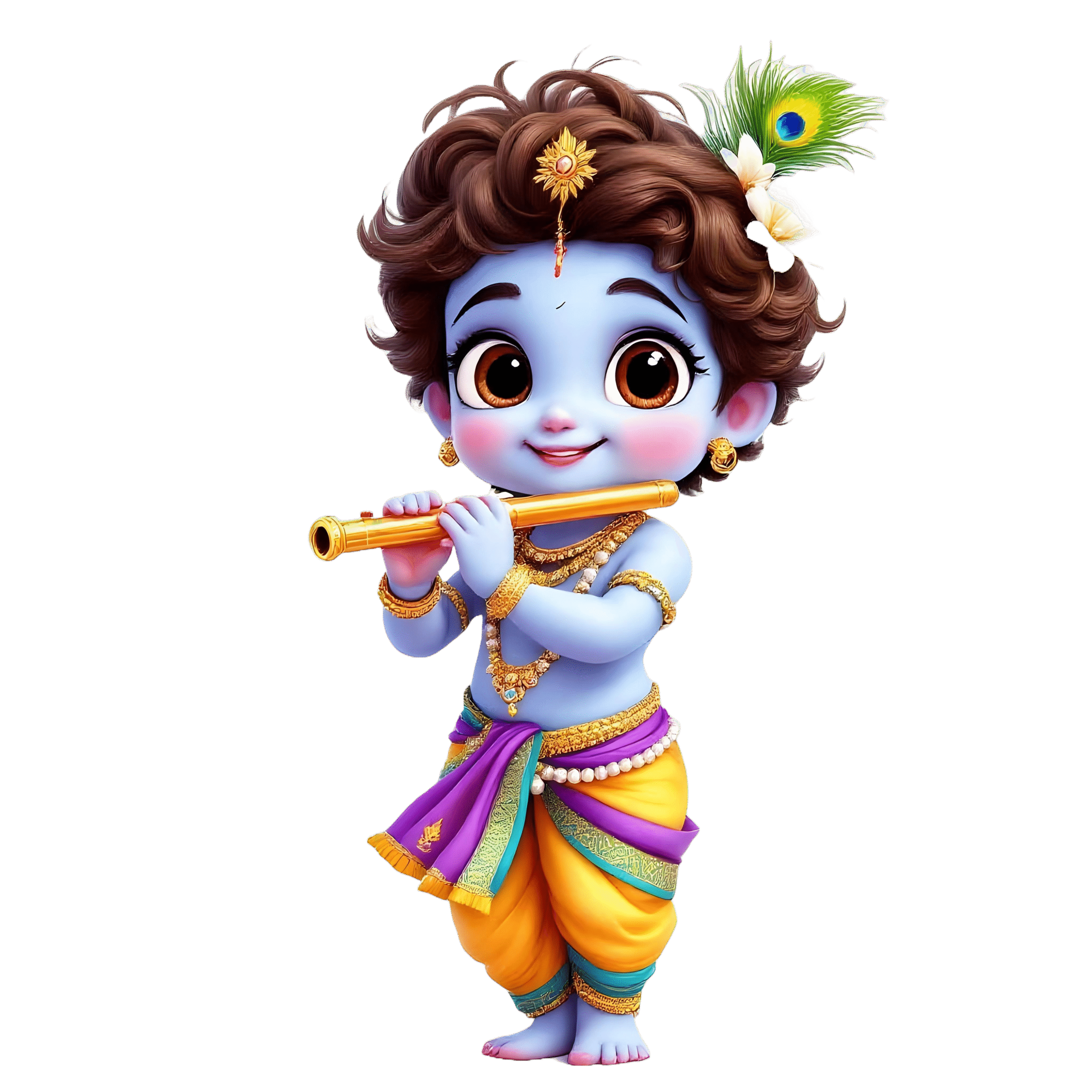
Lord Krishna, often depicted as a young, charming, and playful figure, is one of the most beloved deities in Hinduism. His blue skin, a representation of his infinite and all-encompassing nature, reflects his identity as the Supreme Being. Krishna is often shown playing the flute, a symbol of his ability to enchant and mesmerize all living beings with his divine melody. The flute, in this context, represents the call of the divine that beckons souls towards the eternal truth and love.
Krishna’s youthful appearance and playful demeanor often mask his deeper spiritual wisdom. He is known for his numerous exploits, including his mischievous childhood, where he would steal butter, and his heroic deeds in the Mahabharata, where he guided the Pandavas. However, it is his relationship with Radha that is often regarded as the highest expression of divine love and devotion.
Radha: The Embodiment of Devotion
Radha, the consort of Lord Krishna, represents the highest form of devotion and selfless love. She is often depicted alongside Krishna in artworks, her presence symbolizing the soul’s yearning for union with the Divine. Radha’s love for Krishna is not romantic in the conventional sense but is a spiritual and emotional connection that transcends worldly desires. She is considered to be the embodiment of Bhakti (devotion) and the ideal devotee, whose love for Krishna is pure and without expectation.
In this illustration, Radha is shown sitting beside Krishna, her traditional green attire reflecting her connection to nature and the earth. She is adorned with delicate jewelry, symbolizing her divine beauty and purity. Her serene expression and gentle posture reflect the inner peace and devotion she feels towards Krishna, encapsulating the essence of spiritual love.
The Significance of the Image
This image not only captures the beauty of Radha and Krishna’s relationship but also conveys deeper spiritual meanings. Krishna’s flute-playing is an invitation to all souls to join in the eternal dance of love and devotion. The image portrays the ideal of selfless love, where the devotee, like Radha, surrenders completely to the Divine, yearning for union and divine connection.
The presence of the clay pot, an element that symbolizes Krishna’s playful nature and his love for butter, adds another layer of meaning to the artwork. It reminds us of the childhood stories of Krishna, who would steal butter from the homes of the gopis (milkmaids) in Vrindavan. These stories are not just playful tales; they represent the innocence, joy, and the playful nature of divine love. Krishna’s antics with butter also symbolize the act of offering the self to the divine—Krishna’s love is all-consuming, and those who are drawn to him are drawn into a world of pure joy and spiritual fulfillment.
The Eternal Dance of Love and Devotion
The relationship between Lord Krishna and Radha is not just a physical or emotional bond; it is a spiritual one. It represents the eternal dance between the soul and the Divine. Radha’s longing for Krishna mirrors the soul’s longing for union with the Divine. Their divine love is a model of the purest form of devotion, where the devotee surrenders their ego and desires to be one with the supreme consciousness.
The divine love between Krishna and Radha is often interpreted as a metaphor for the relationship between the individual soul (Jiva) and the Supreme Soul (Brahman). Just as Radha’s love is unconditional and pure, so should our devotion to the Divine be—without expectations, without self-interest, and completely selfless. The bond between Krishna and Radha is one of eternal devotion, and it teaches us that true spiritual love is about surrendering oneself to the divine will.
The Role of Art in Conveying Spiritual Ideals
This artwork is an example of how art can be a powerful medium for conveying complex spiritual ideals. In Hinduism, deities are often depicted in symbolic and artistic ways that transcend the literal meaning. These images serve as gateways to deeper understanding and meditation. Through the visual representation of Krishna and Radha, individuals are encouraged to reflect upon the nature of divine love and devotion, and to contemplate their own spiritual practices and relationships with the divine.
In many ways, art becomes a spiritual tool, helping individuals connect with their higher self and with the divine presence. Whether it is the simplicity of the flute’s music or the intricacy of the jewelry adorning Radha, every element in this image invites the viewer to reflect on their own journey of love, devotion, and spiritual connection.
Conclusion: A Timeless Symbol of Divine Love
The image of Krishna and Radha, with its vibrant colors and intricate details, beautifully captures the essence of their divine love. It serves as a reminder of the eternal bond between the soul and the divine, urging us to seek selfless love and devotion in our own lives. The purity of their relationship transcends time and space, offering a model for how we should approach our own connection with the divine—through love, humility, and surrender.
In today’s world, where love often becomes tainted by selfish desires, the love between Krishna and Radha provides a timeless reminder of what true, spiritual love can be: selfless, eternal, and pure. Through this image, we are reminded to turn inward and connect with the Divine, just as Radha did, with a heart full of devotion and a soul yearning for union with the eternal love of Krishna.